Chainsaw Safety and the Role of Protective Chaps: Why the Right Gear Matters
Chainsaws are powerful, efficient tools, but they also carry significant risk. Whether used for logging, property maintenance, or woodworking, a chainsaw operates with a fast-moving chain designed to cut through dense material. Without proper protection, that same cutting force can cause severe injury in a fraction of a second.
One of the most effective pieces of personal protective equipment available is chainsaw chaps, such as the
STIHL Pro Mark™ Apron Chaps. Understanding how they work and why they matter is essential for anyone working with a chainsaw.
How Chainsaw Chaps Work
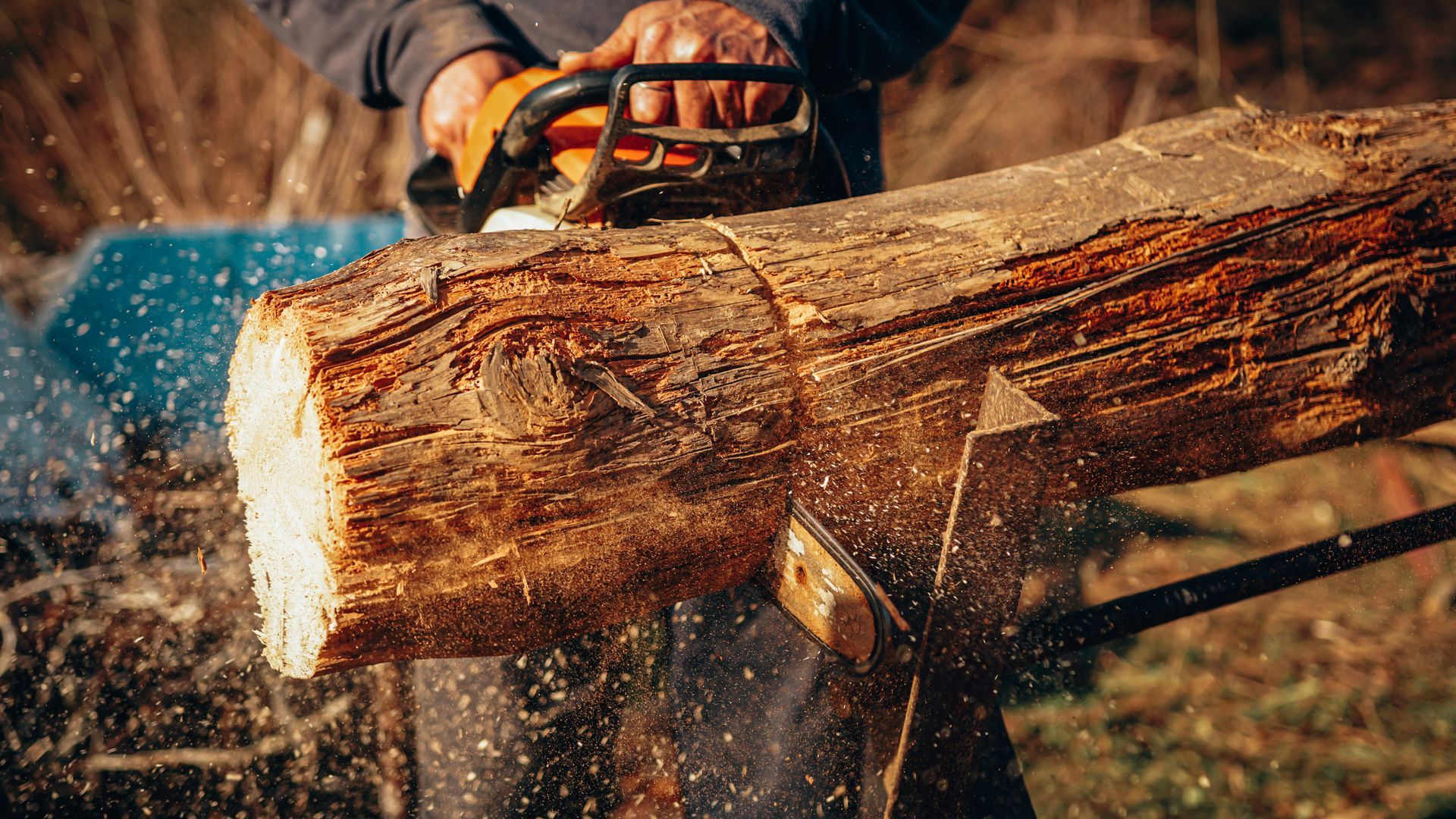
STIHL Pro Mark Apron Chaps are designed with multiple layers of specialized cut-retardant material sewn into the legs. In this case, the chaps include nine layers of Avertic® Pro fibers, engineered specifically to reduce the risk or severity of injury when contact with a moving chainsaw chain occurs.
The way these chaps protect the user is both simple and highly effective:
- The outer layer is designed to be cut easily by the chain
- Beneath it are loosely woven, high-strength fibers
- When the chain contacts the chaps, these fibers are instantly pulled out
- The fibers wrap around and jam the chainsaw’s drive sprocket
- This action rapidly slows or stops the chain
This process happens almost instantly. The goal is not to make the material completely cut-proof, but to interrupt the motion of the chain before it can cause deep injury.
In real-world terms, that split-second interruption can mean the difference between a close call and a life-changing injury.
Why Chainsaws Are So Dangerous
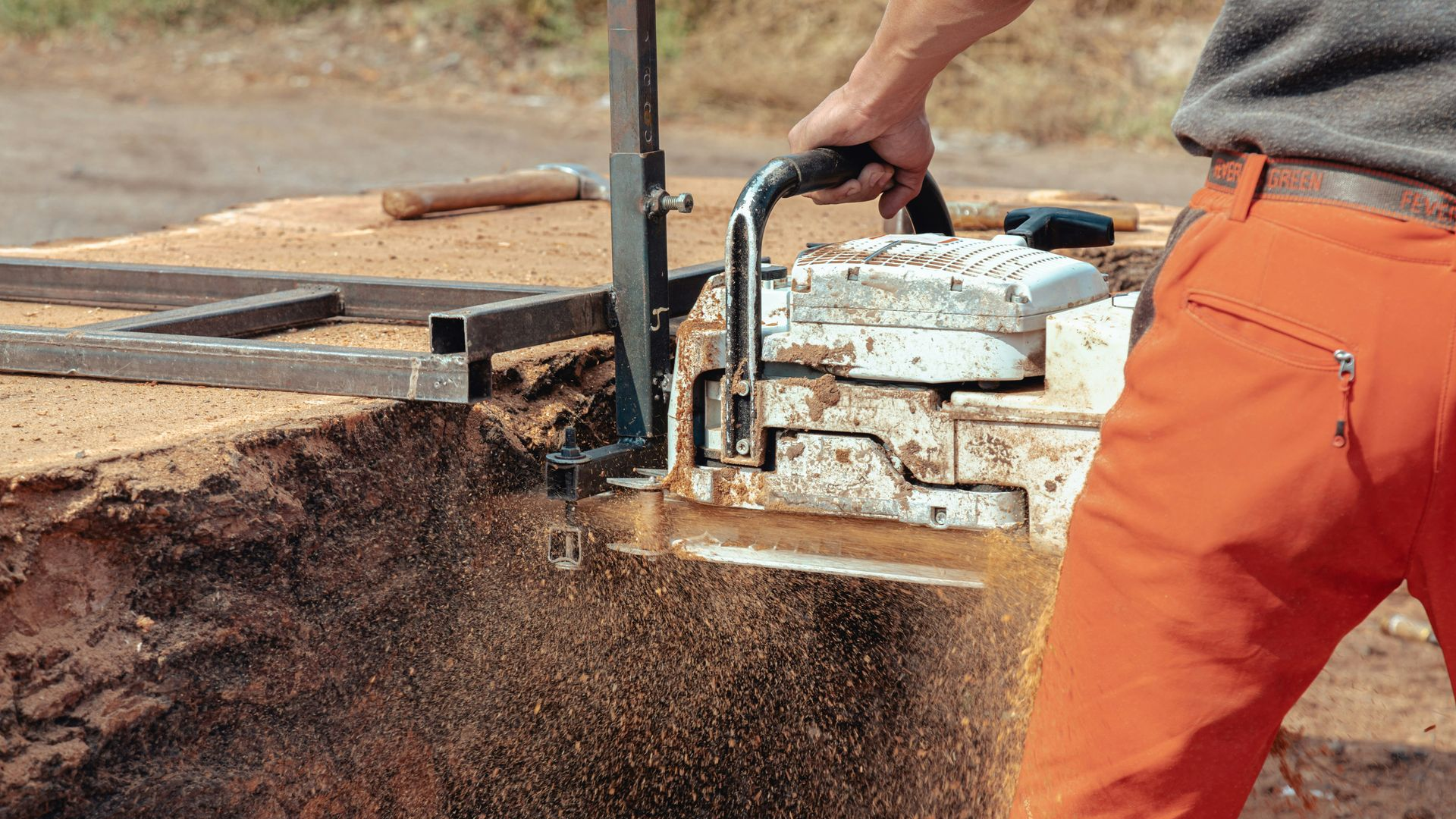
Chainsaws are designed for efficiency, and that efficiency comes from speed and force. The cutting chain rotates at high velocity, with sharp teeth that remove material quickly and aggressively.
Even brief contact can result in:
- Deep lacerations
- Severe tissue damage
- Long-term injury or disability
Chainsaws also present additional hazards, including kickback, where the saw can suddenly move upward toward the operator. Even with built-in safety features, protective clothing remains a critical layer of defense.
Without proper protective gear, there is very little margin for error.
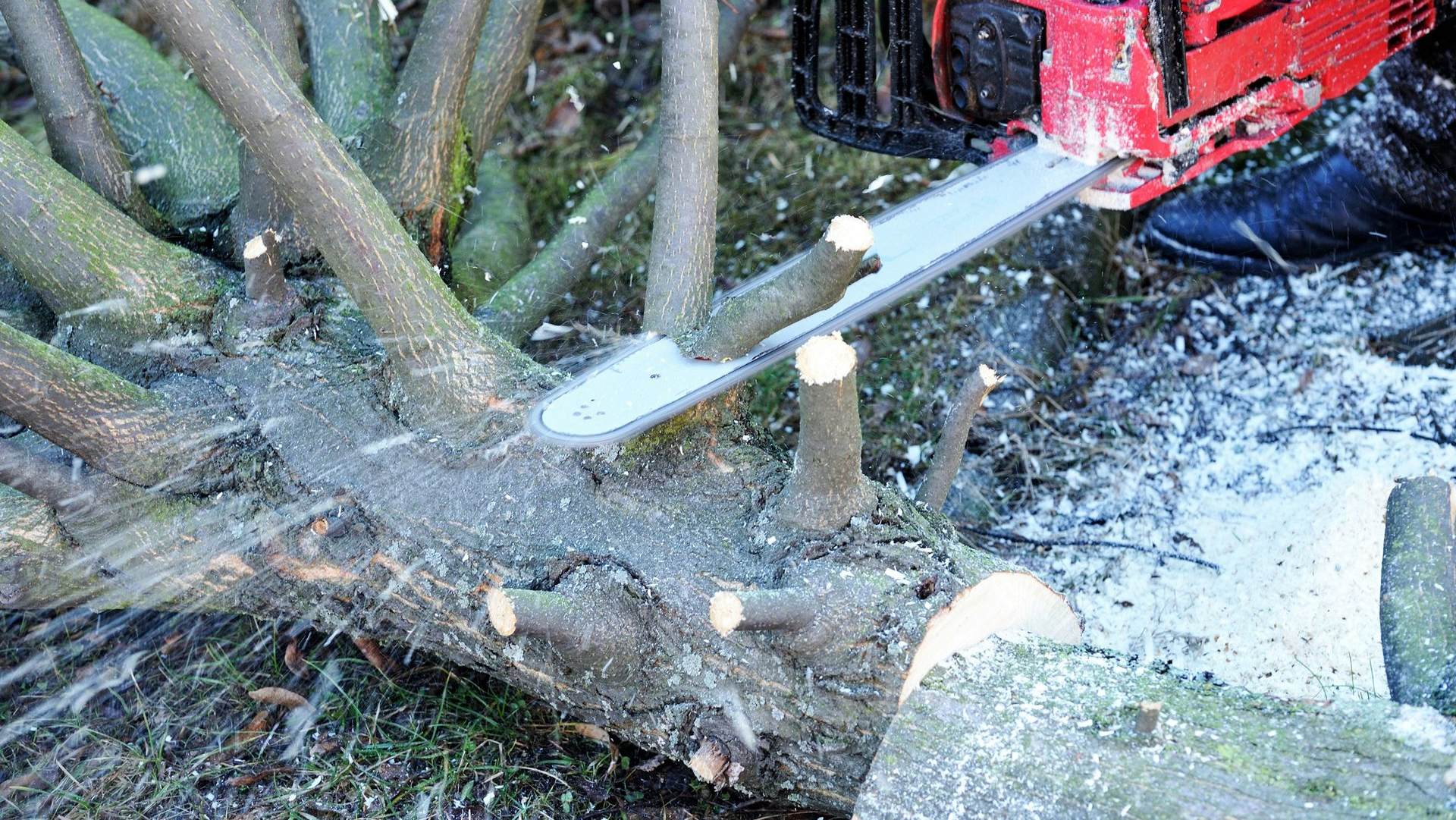
The Risk of Working Without Protection
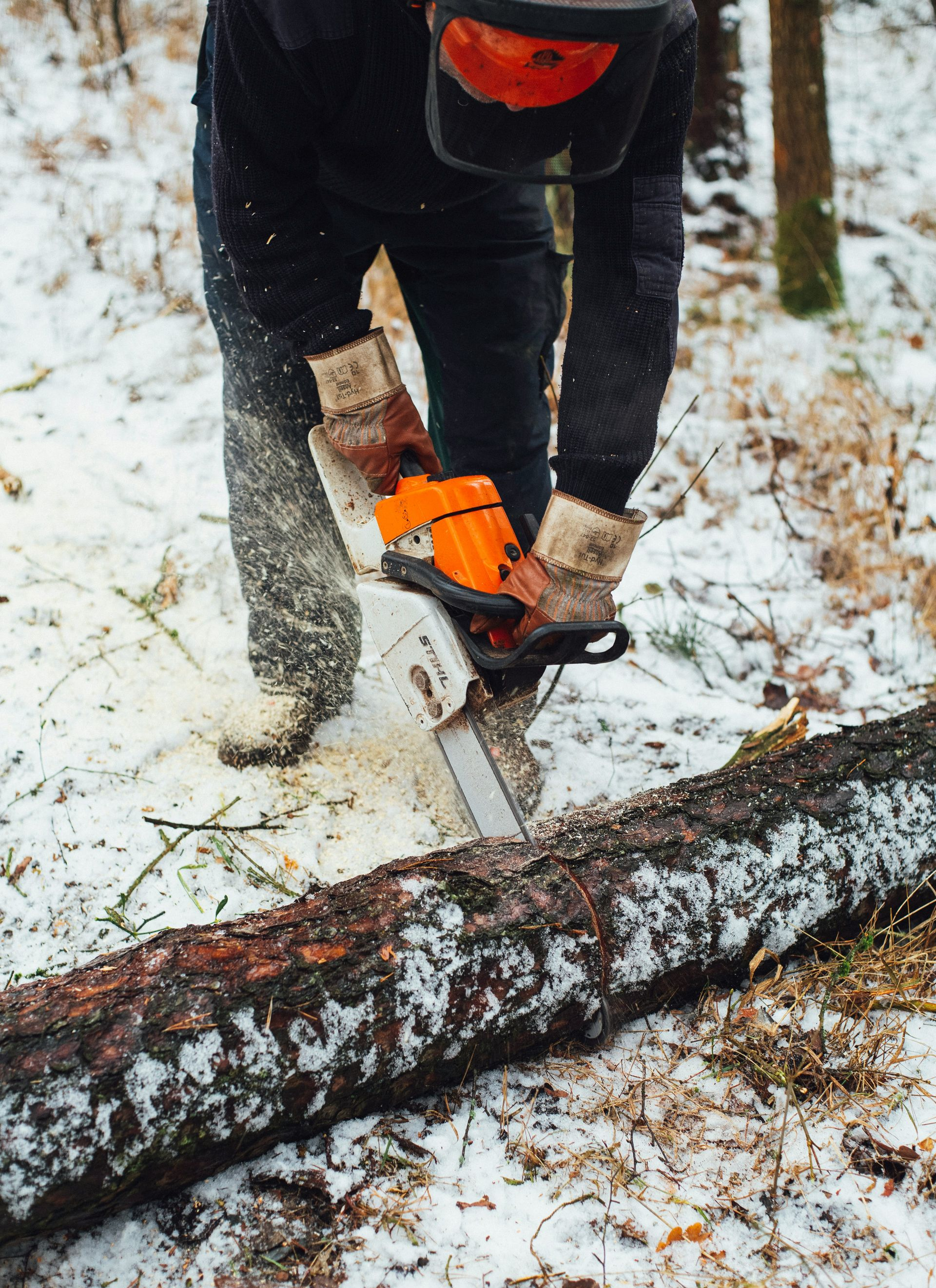
Many chainsaw-related injuries occur during routine tasks. It is often not extreme conditions that lead to accidents, but everyday use where attention slips or conditions change unexpectedly.
Working without protective chaps increases the risk of:
- Direct contact with the moving chain
- Severe injury to the legs, one of the most exposed areas
- Long-term recovery or permanent damage
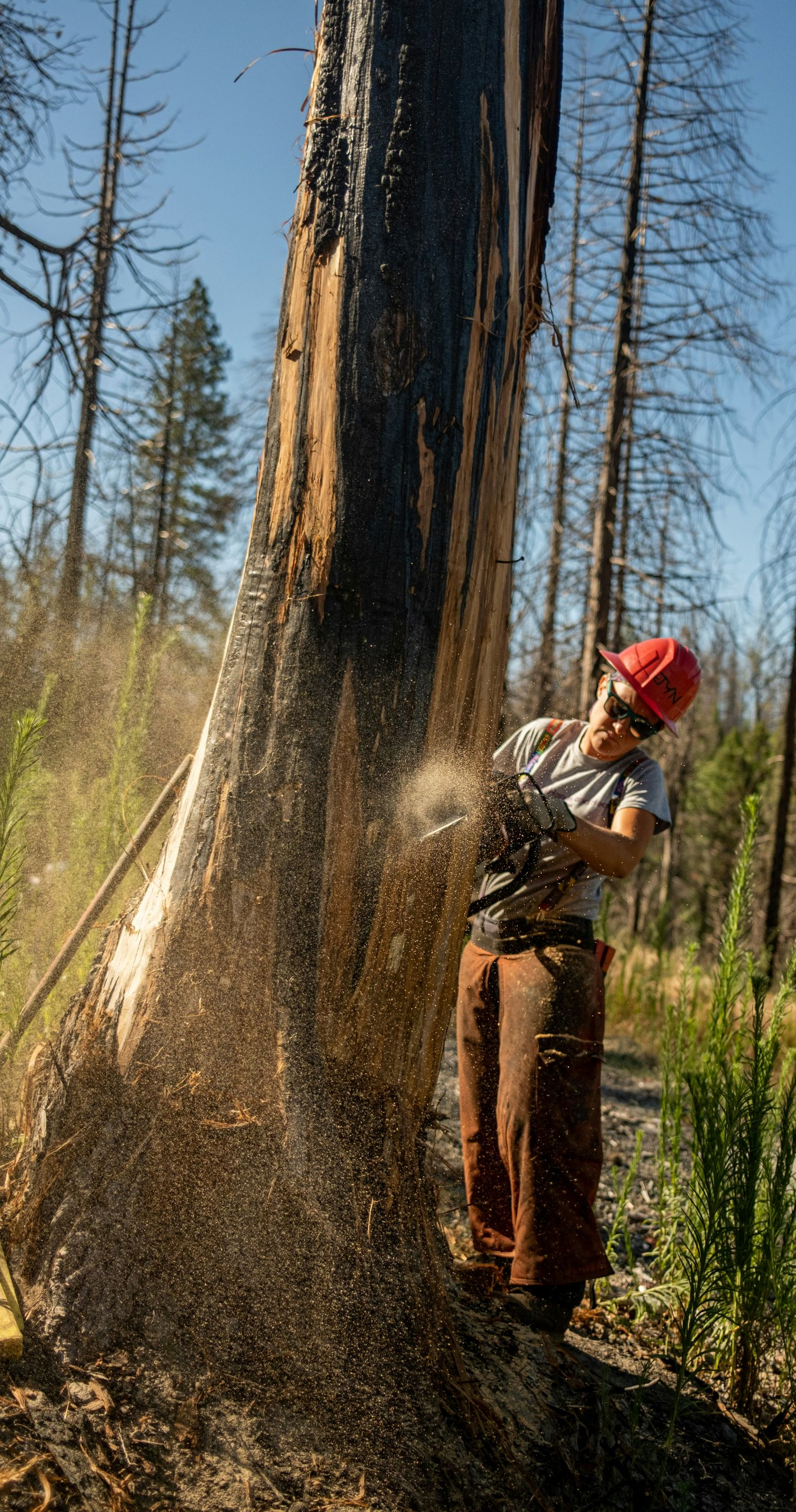
Because chainsaws are frequently used at ground level, the legs are particularly vulnerable. This is why chainsaw chaps are
specifically designed to protect the front of the lower body, where contact is most likely to occur.
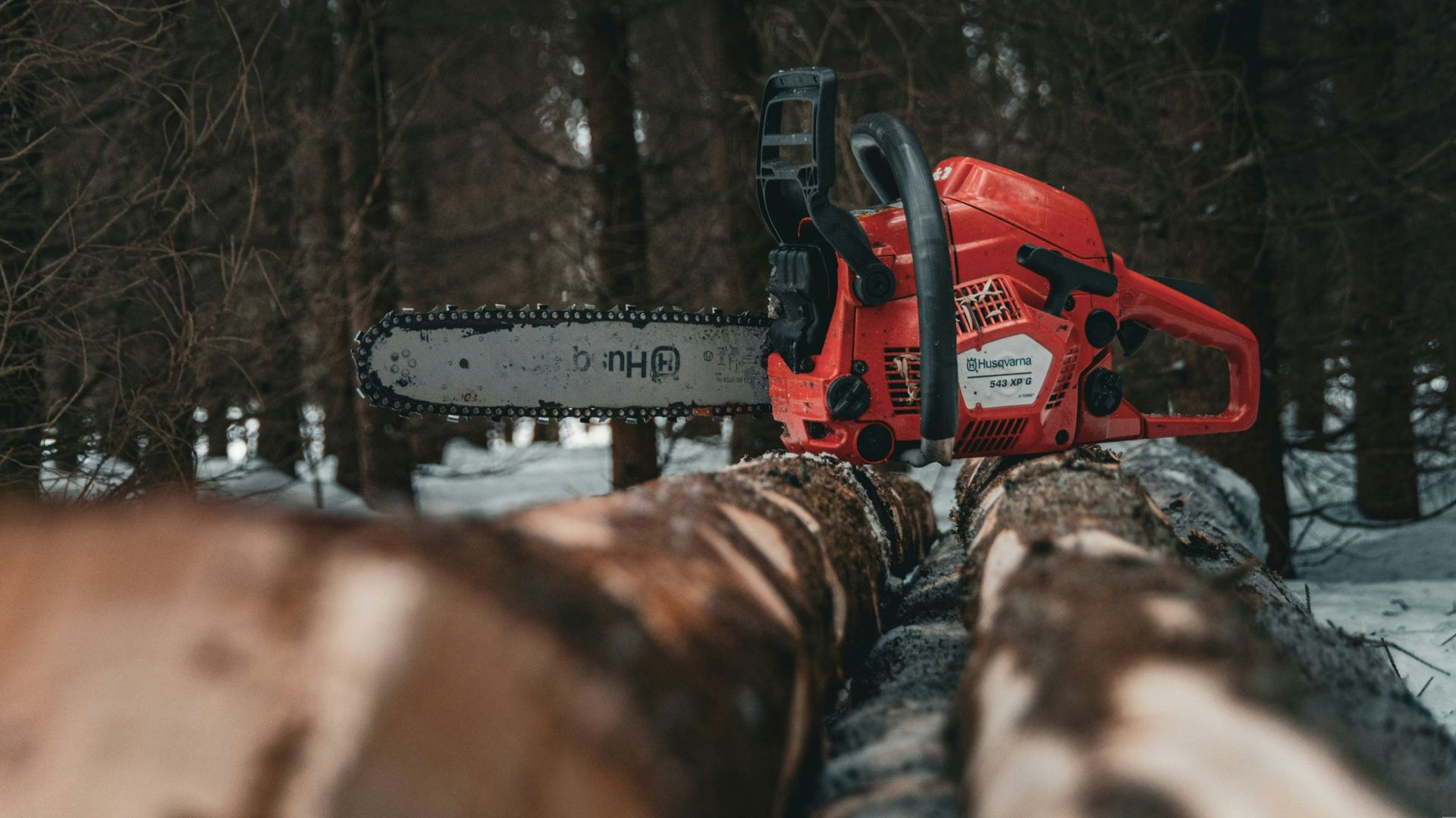
Why Protection Needs to Be Practical
One of the challenges with safety equipment is consistency. If gear is uncomfortable or difficult to use, it is less likely to be worn regularly. This is where design becomes important.
The STIHL Pro Mark™ Apron Chaps are built to balance protection with usability:
- Open-back design helps reduce heat buildup
- Lightweight construction improves mobility
- Easy fit over regular work clothing
These features make it more practical to wear the chaps consistently, which is essential for maintaining safety standards.
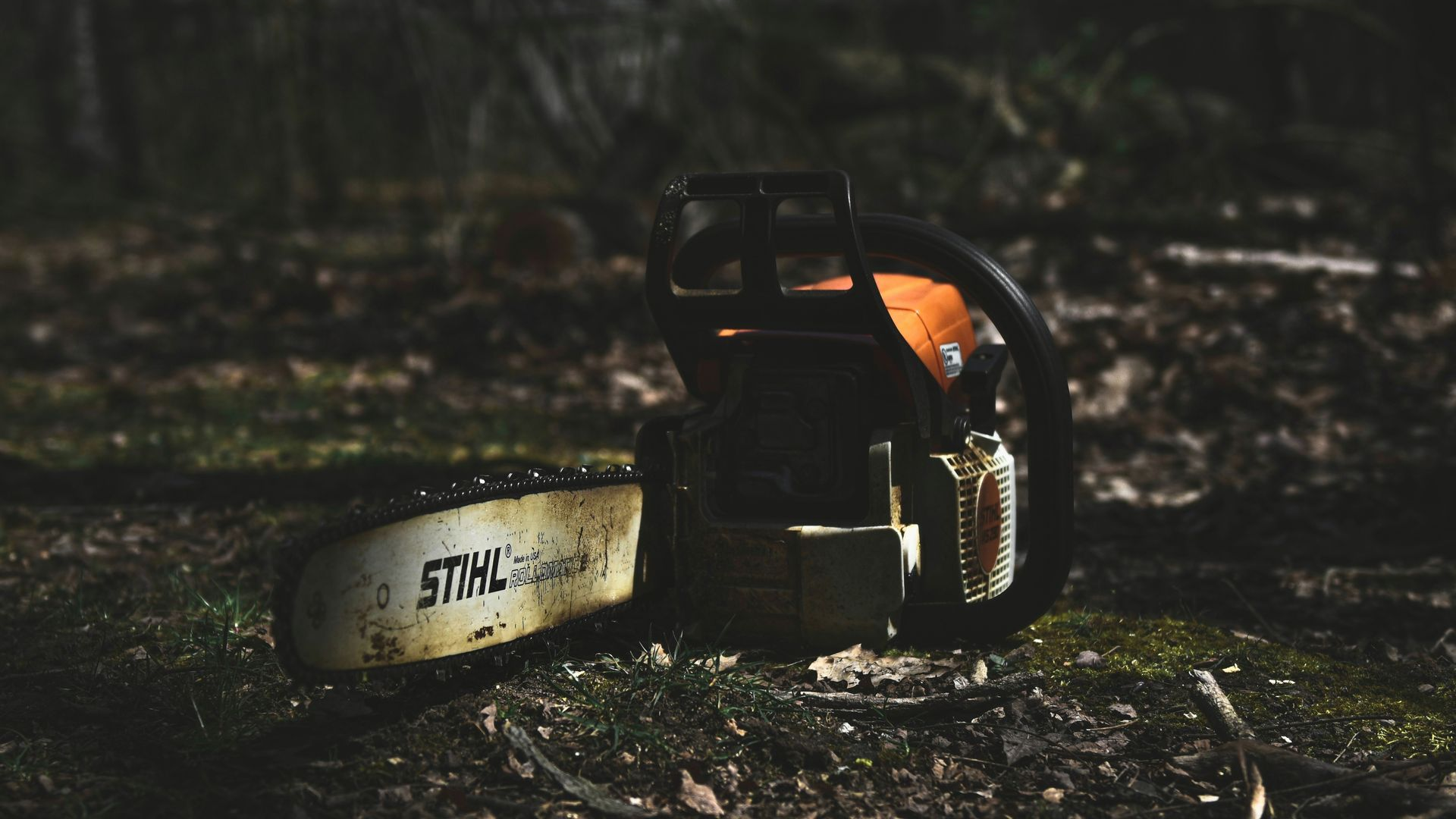
A Critical Layer of Protection, Not a Substitute for Caution
It is important to recognize that protective chaps are not a replacement for proper technique or awareness. They are designed as a last line of defense when something goes wrong.
Safe chainsaw use still depends on:
- Proper handling and positioning
- Regular equipment maintenance
- Awareness of surroundings and cutting conditions
Protective gear works best when combined with responsible operation.
Supporting Safe Work With the Right Equipment
Chainsaw safety is about preparation as much as it is about skill. The right equipment helps reduce risk and supports more confident operation in the field.
Kingsbridge Supply provides tools and equipment that support both craftsmanship and safety. By offering reliable protective gear like chainsaw chaps, Kingsbridge Supply helps ensure that builders and operators can work with greater confidence.
If you are using a chainsaw for any type of work, investing in proper protective equipment is one of the most important decisions you can make. Contact Kingsbridge Supply to learn more about tools and gear that support both performance and safety in the field.